Author: Philo

human

Beer Ramblings

beer ramblings

  • IPA’s

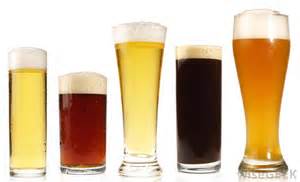
What delectably bitter libations!  liquid grass for some, but the freshness…ahhh!  Some like the hops on top, nosey, and some like the peppery undertones with citrusy implications.  One of the best moves of microbreweries these days is to make a delectable session IPA.  Keep the bigness, but have two (or three).  I love the anticipation of beer-thirty when I know I have a home-brewed IPA in the fridge.  It is a type of peace that is rarely found anywhere else.  Big grain bottom with the heaven of nature: all in one glass.  Try some of Great Divide’s offerings, but if you can find it, Hall’s Farmhouse IPA  is the way to go!

  • Pale Ales

These often looked to ales are the base for so many others.  The lowly Pale often plays second partner to the more speciality brews, but if one takes time, better yet: brew your own, the Pale is a patient partner.  Be picky here as these brews range from “meh…” to “Why!  WHY!?”  When that sweet taste of liquid gold is needed the Pale will come through.  Malty with numerous levels of moderate hops are the basis’ of many a fine glass.  Again, Hall’s makes a great Red Ale (a Pale of a different color).  Experiment with these, they are patient and often very satisfying basic beers.

  • ESB’s

While the Pale Ale is a basic beer, its grandfather is probably the ESB.  Ah, what malty goodness awaits anyone with an Extra Special Bitter in mind.  Beside the IPA, I would probably cozy up to one of our home-brewed ESB’s.  Not too cold!  Let the malty goodness speak volumes and it will, especially when shared with friends!

  • Porters and Stouts

Oh these black beauties… often mistaken for being heavy handed and alcoholic.  Not so!  Smoky characters they are, and perhaps they take time to get to know.  But once a true friend is made, you will have a friend for life.  I don’t cotton to the coffee varieties, pure malty black magic for me.  Also, keep the vanilla in the ice-cream.  Although these beautiful and mystical beers can hold up to the adjuncts that we often add, it is a shame to miss out on their simple goodness.  Equally good on a hot summer’s day or cold winter’s night.

  • Lagers

Cold-hearted as they may be, lagers are the fresh morning dew on the grass; early in the morning just as the birds are beginning to wake.  You might not want to drink one at that time, but the freshness of a good lager is bound to quench the thirst of anyone after a hard day of simple living.  Clear, with nothing to hide, sometimes wheat-natured and often abused by the industrial-aged beer magnates.  Don’t bother, there are much, much better beers to be found if you look around.  Oskar Blues’ Mama’s Little Yella Pilsner is a good one.  Better yet, brew your own, but make sure to have a cool place to let it get going. It’ll put a smile on your face and ideas in your head if you’re not careful!

  • Drinking beer?

In my humble opinion, beer is a nectar that is too often diluted by adjuncts: water, grain, yeast and hops are all that is needed.  Savor the taste of the beer you drink; like life, the bottom of the glass comes sooner than you think.  Don’t complicate things, keep your thoughts pure and your wants simple.  Take pleasure in picking the beer you will drink and drink the beer you pick with a conscious and deliberate state of mind.  Smile and nod, but don’t always listen.  This is your time, and your beer will draw those precious seconds out just a little longer!

Rant #1

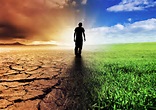
extinction

“Our global society has started to destroy species of other organisms at an accelerating rate, initiating a mass extinction episode unparalleled for 65 million years.”     -http://sciencemag.org

When will we remember that we are not the only species on this planet, nor are we the only one that matters?  The time for most creatures on this planet is nearing an end, because of us.

We are arrogant.  We are selfish, and we are violent.  We do not deserve, nor will we inherit this planet.  The weak will not inherit anything except pain and misery before they die.  They will welcome death long before it comes.  The strong will win nothing.  They will live to see their children die and the things they’ve cherished so much go to ruin and realize in the end that it was not worth the price they paid.

Human beings are capable of so much, including choice, but we tend to choose the easiest, the shiniest, the quickest, and the most at the cost of the best, the right, the quality, the moral, the many,  and the few.  We create amazing ideas and horrible monsters.  We are capable of love and torture, of empathy and psychopathy.  We are our own saviors and our own destroyers.  We are capable of intellect and kindness and act stupidly and mean.  We understand how to understand the universe we live in and dismiss the the only method that will give us Truth for superstitious mysteries that will lead to our demise.

We dishonest with ourselves, even when it comes to saving our selves.  This is on us, our parents, and our grandparents and it will be our children that will bear the brunt.  We know this and yet we soldier on.  We talk about problems rather than solve them because we do not face them and hence cannot find solutions; solutions that are often right in front of us.

Mother nature is the ultimate assassin; she takes no prisoners and we will not be an exception.  We can pretend and we can lie, but we cannot change that truth.  We can argue, we can choose not to confront, but like us truth will also soldier on…blindly.  Mother nature will win; there is no contest no matter how much we believe that there is.

There is only one thing left to do, and that is the right thing.  We know what it is, and we know how to do it.  It is only left to us to humble ourselves, to realize that we share this planet, and must work together and within the parameters that it holds us to.  We must earn the respect that we believe we are entitled.  We must make the most of our capacities and act like the intelligent human beings that we are capable of being in order to save the animals that we are.

The Agrarian

 Agrarian

  • It takes 1-3 Years to plant with the long term consequences in mind. Plant with space and needs in mind. The plants will start slow and eventually take hold. All the while we must nurture them to give them the best of all possible beginnings.
  • After 1-3 years and the continual planting and possible replanting, the introduction of poultry and other animals for pest control. This introduction has its issues and will never go as smoothly as we think. The animals introduced must be, as the plants must be, if not indigenous, then only what the plants and the land itself will allow.
  • From 5-7 years we must “chop and drop” roughage from the pruning that we will do. The introduction of trees for timber must be introduced but these must not affect the fruit trees bushes, and other perennials that we have worked so hard to keep alive.
  • This is what it takes to eat honestly.

These steps and these processes are necessary because we have not taken the time to follow in the footsteps of mother nature; we have taken shortcuts and continue to do so. But, we must remember that mother nature neither nurtures nor does she care; she simply does. She expects nothing but gives so much to those that will understand her.

We do not seem to understand mother nature any longer. We cannot “google” it, or find it on the ubiquitous internet. We must get our hands dirty, and fail. We must see the dirt under our fingernails and feel the cuts on our hands, the sweat on our brow. We must feel the bites of insects and the heat of the sun. Our cellphones must be put aside and the supermarkets must be forgotten. Technology is not a boon but a bane.

The comfort of our homes and the illusion of civilization must always be put into perspective of the natural reality in which we live. If we do not come to understand this, then we fail as individuals and as a race. Our mother will remind us of this either with our blessings or our pleas.

A good home brew helps!

The Silence of Stones

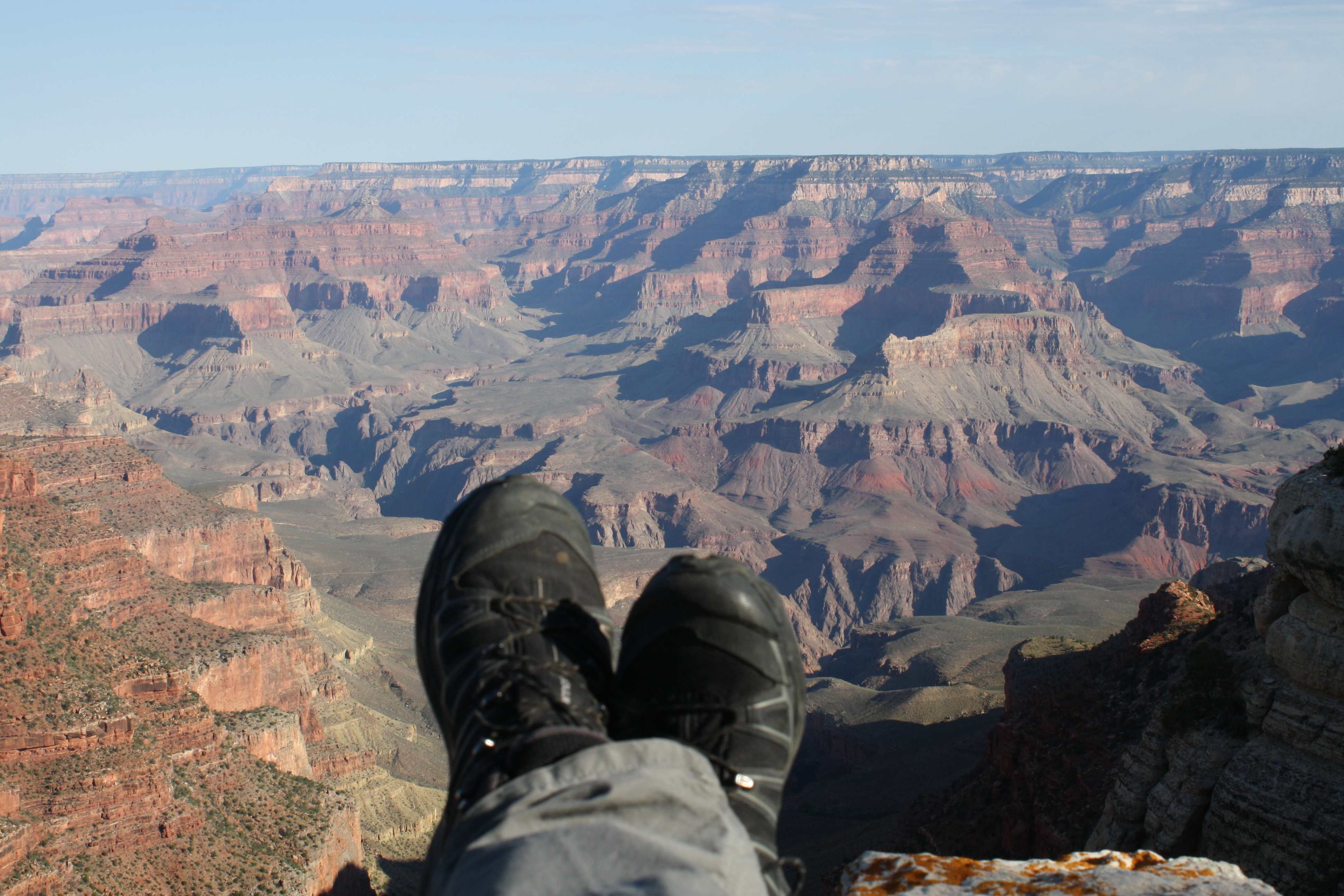
IMG_3379

Stones do not wrinkle up and wither away, blossoming into a new flower on the stalk;

Never ending- end.

We stand empty-eyed and stunned.

We cannot see the stones in our life; they seem to disappear over a flat horizon, but reappear.

There are no trees or bushes that have taken root beside the long length of life.

The land is flat, and only old wise rocks lay where life has left them.

They lay there without question, silent.

Silent and wise they rest while we stand open-mouthed and frightened.

They do not move

As we pass them and wonder at their quiet wisdom.

Looking at the many stones

Sitting and sinking into the ground;

We don’t understand a goddamned thing.

Sage Advice

buddha

It hailed today and luckily the tomatoes that I planted out were covered by the hoophouse I built around them. I learned my lesson last year, and in years before: never trust nature to do what you want it to do. I know that I will learn this lesson many times to come, but the lesson never comes easy.

The hops were troopers; I believe that they are the marines of the plant world: nothing phases them. The rhubarb was sheltered by the large bank of bushes, and most of the seeds planted out last week have not come up. I hop the newly peeking asparagus shoots are OK.

The bees finally had a time of it on their cleansing flights after so much grey rainy weather that we’ve been having; that is, before the hail set in. I had put out a swarm capture box as I was having an inkling that there was a swarm around that had been trying to get into one of the hives. They had had no luck, and so I put the box out, wondering if they’d be interested. I think they were, but it’s too early to tell.

Lots of hard work in the garden these days for all of us. It’s not nature that is a taskmaster as she simply doesn’t care. It is the hopes and dreams of canning tomatoes, making salsa and rhubarb jam, freezing kale, brewing beer, making apple sauce, putting up pickles and beets, juicing plums and crabapples, picking fresh carrots and digging up potatoes. It is pesto with your own basil and tea with your own honey. It is all of these things and more.

This time of year is both hopeful and hellish; everything seems so fragile and yet so much is riding on it. This time of year is the start of catching up. Farmers and gardeners alike play “catch-up” from now on out. The weeds will come, wasps will attack the bees and plants will die. It’s all out there in the mysterious future as are the hopes and dreams of those who try to understand the soil and the plants that come out of it.

As I said it hailed tonight and probably took out a lot of folk’s work. I can almost hear the profanity even if we did need the moisture. There is more where that came from. We all know it. Buddha supposedly said, of nirvana: figure it out yourself. I think that such advice is sage (good in sausage and olive oil for dipping bread). And so, I hope that we all figure it out. But for now, I’m off on an adventure of my own, and wish you all the best that your hard work will offer on yours.

Why?

aristotle quote

Two year old’s ask it all of the time, and we (as adults) often dismiss the question: why? You are asked: “What do you do?” but how many times are you asked: “Why do you do what you do?” To answer that question would take some thought, and would probably open us up to thoughts that we might not want to consider.

For those of us striving to live an environmentally sound life, the question can be uncomfortable. Why do I keep bees, have a large garden, collect water, compost grass and food scraps, save seeds, use no pesticides or herbicides, can and forage food, recycle wood for the projects around the place? Why do I want to do more?

Answers begin to bubble up if we think long enough about what we do. Often when we explain those answers to others, they come across as ideological and sometimes self-righteous, sometimes we just don’t know. We become accustomed to the “glazed” look after a minute, and we realize that the answer has become rambling, incoherent or that the question was only asked out of feigned politeness.

Answers range from philosophical to utilitarian, from selfish and self-righteous to ideological and ambiguous. “It’s just the right thing to do.” Of course, the answers rely upon the question. When people ask: “What do you do?” the simple answer is to tell them you get paid to do it. However, if someone asks: Why do you do it?”

“For the money!” becomes an empty answer; one that reminds us of who we are. Money doesn’t cut it at the end of the day.

And so we are left wondering why. There is only one reason to do anything and it is right under our nose whether that is the compost pile or the wild apple and plum trees that we might pass everyday while walking the dog (rescued from the pound).

Why do I keep bees, have a large garden, collect water, compost, save seeds, and use no poisons? Why do I recycle scrap wood for projects? Because not to do so would take away a quality of happiness that doing such things gives me.

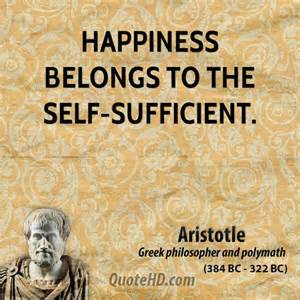
Why do I do what I do? It gives me a higher quality of happiness, and as Aristotle wrote: happiness depends upon ourselves, and the highest quality of happiness depends upon why we do what we do.

Perfect Imperfection

perfection

I decided that putting the leek starts in the ground, most of them looked dead or dying, was a chance that I was willing to make. The onion starts look good. Last year, our onion crop wasn’t that good and I remember wondering why home gardeners don’t often get those vegetables that we all see in the supermarket: those red, oval tomatoes, all sized and shapely, taking their place on the well prepared produce stands or that green, full-leafed lettuce plants in February. Gardeners, at least of my ilk, live in a different world; they live in a world where food often looks like well, food and not products.

With the ongoing and growing movement with regard to food culture, many people are more and more aware of the processes that are necessary to get food to the market. The process is in fact amazing! The process, however, gives us a false sense of what food is. It is not a commodity, the consequence of a closed and well-oiled system. Rather, food is a product of the rather imperfect world in which we live. Food is a product of the soil, of water, and of time and effort and more often than not, chance.

I try to remember this as a put down the small starter potatoes, just poking out their first shoots. I remember my last crop of potatoes. They seemed small and pathetic, at least until I took a bit of them. A little salt water, heat and time and such a potato is truly a work of art. Like art, producing food relies upon a bit of imagination and a lot of elbow grease. The result, whether on canvas or in the ground, is often not what we started out thinking it would be. However, the results, somehow, are always satisfying.

My leeks are doing well as are the onion starts. My tomato seedlings have little blossoms on them as they stare up out of the hothouse. I don’t know what will come of these as the season progresses, but I know the results will not be perfect.

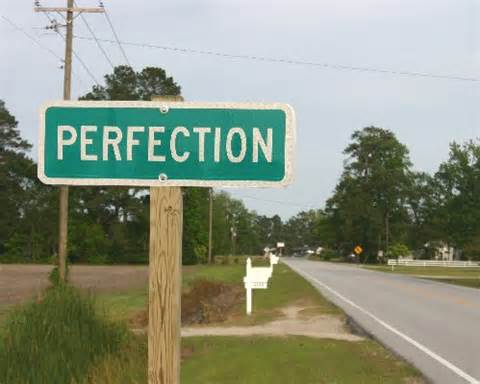
Nature’s process is not perfect, but nature is perfect in its imperfection. While nature is not an artist, nor does it “produce” food, it is a process that we must and always will, rely upon. Nature is a verb, perhaps, but a verb that changes meaning over time; it never sits still awaiting definition. Nature offers a bit of insight into something that we must accept: the idea of perfect imperfection. But if my memory serves me right, imperfection can taste perfectly good!

Profit and Progress

progress

For people who grow their own food, this time of year is a mix of stress and excitement. Seedlings are coming up, but in many parts of the country, it’s too early to put them out. The bees are beginning to get busy, but sometimes they swarm. The worries of a warm summer are coveted because of the unrelenting rain and cool spells that inevitably come. Animals birth, and some die. Farmers start ramping up the season, but have to wait for the always elusive “goldilocks” weather. This mix and match dichotomy is not limited to seasons.

Most of us live in societies where money is the method behind the madness, but want to trust our food while not paying unreal prices for it. For those brave souls who decide to give us what we want, they must try to do the right thing while figuring out the right thing to do in order to keep doing what they love. There must be a pay-off but the cost of that pay-off needs to be taken into consideration as well. Do you sell your soul out of necessity, or is it necessary to keep your principles in order to progress?

From farming come these philosophical conundrums. Gardening is not different. Running a business is, well… no different. Many of us begin the long road of life considering profit as progress. Some of us realize that profit in fact stands in the way of progress. But, these are not solutions; they are challenges that each of us seem to face no matter what we do. I have a dream, yes, but that dream and the reality that it creates are often not one in the same. Profit and progress come in many forms.

A few principles might help. First, be honest; not only with everyone around you, but perhaps most importantly with yourself. Second, know the hill that you will “die on”. There comes a time when profit is no longer a measure of progress, but a detriment to development. The change from one to the other is often slight and barely perceptible. Third, know why you do what you do. We often ask strangers “What do you do?” Perhaps we should start asking: “Why do you do what you do?” A more pertinent question if we are to profit from our progress.

Listen!

bee

I lost a beehive last year. It was a devastating experience. Everything seemed right; it was a strong hive, but alas the hive failed. I take responsibility. However, this is not about the past except that we must learn from it. The past is, in fact, useless unless we do just that.  But what do I need to learn?

And so this coming Saturday I will start the process over with the experience and education that I wracked up last year. This Saturday I am starting over with two hives. To say that I am nervous is actually not accurate; I am not nervous, but hesitant. I don’t want to fail because failure in beekeeping means that lots of life is wasted.

I am starting with two hives because I am told that it is insurance, that two hives gives the keeper a way to compare; two hives will help educate me. I only hope that my education does not cost the bees their lives. I will do my best, but I know that the bees will do their best. They don’t have a choice, but I do.

The choices we make define who we are, failures and successes. The choices we make define who we will be, and who we have become. I believe that the death of last year’s hive defined who I am today, and inevitably the hives that come on Saturday will define who I will become.

Last week progress was on my mind, and progress can be defined in many ways; some bad, some actually, well…progressive. To fail and to step back up to the plate says a lot about a person. I must remember that bees do not fail in the sense that I do. They simply act; it is us that determine pathways and judge failure against success.

The simplicity of the beehive is amazing; the complications that we create are just as remarkable. In studying all winter long, with the readings and online research I need to remember that complication is not necessarily progress. Progress is simple: the recognition of the shortest, most realistic path to the goal.

Bees do not need much, and they ask nothing of the individuals who decide to “keep” bees. It is in fact not necessary to “keep” bees at all. This year I will endeavor to stay out of my own way and more importantly, to stay out the bees’ way. This year I will progress by not necessarily acting upon the bees, but learning how to act with the bees.

This sounds so simple, but simplicity, I have found, is not so simple.   I can only hope that the “girls” are able to teach me to step back, give them room and not worry so much. It’s quite the advice from such a simple creature. If only more of us could listen.

The “P” Word

progess

Progress is a peculiar word. And to make matters worse, it is a political word as well. Perhaps the problem is that we humans are a particular bunch, often specious and many times self-promoting. Progress is not often synonymous with tradition but perhaps that is only because we define it as profit. We have, no doubt, progressed but with profit as progress comes a price.

The price for the particular progress that is being promoted by the current preliminary agricultural programs being put forth under numerous and often publicized public interest in agrarian lifestyles and sustainable food-growing is that often progress is not seen as progress at all. However, I am here to tell you that sustainability in any form is most definitely growth, advancement, improvement, development: it is progressive!

While it is true that profitable progress will pay the price in the beginning, proper progressive movement relies upon the propensity of those involved to understand, to recognize, to perceive (if I may) the parallel between the proper way to grow, choose and eat food and the priorities that we choose to make. In short, progress is defined by why and what we prioritize. If we prioritize profit over progress than we get what we deserve which is exactly what we are getting now.

To prioritize profit and production over sustainable progress and points of virtue is to presuppose that profit is a necessary participant in proven progress. The point is that progress is not always profit-driven. Progress can be profitable but only if it is sustainable. So, while sustainable lifestyles seem in vogue and are popular with a growing number of the populace, it is not a popularity contest. Furthermore, although the progressive movements with food production often rely upon pre-industrial ideas, the proposed changes are necessary if we are to remain progressive.

The phenomenon is primarily a progressive one that is properly founded upon proven production means that are both profitable and practicable if not predictable.

Thanks for reading!  Philo