agriculture

A Split-Second Decision


John Cage was a composer who “wrote” and performed a piece of silence called 4” 33’ (four minutes and thirty-three seconds). It was simply himself, on stage, and sitting at a piano for four minutes and thirty-three seconds. However simplistic and absurd it might have seemed and still perhaps is, I believe that the art, while not found in the actual performance is in fact found in the thought. This is culture.


I believe that many of us are realizing that what we consider culture is really nothing at all but consumerism. Culture is virtuous; consumerism is not. A man sitting at a piano and not playing the instrument, I thought, can be analogous to individuals who find themselves in a consumerist society without being consumers. I know this is a stretch, perhaps, but I believe there is something true in it.


To play a piano is a choice and one must learn, and learning takes time and effort; much time and much effort. That is why so many begin by taking lessons but few come to play the piano. Not being a consumer takes time and much effort.


The burgeoning agrarian movement that seems to be blossoming in this country can be seen as a reaction to a society that has lost its priorities to profit and consumerism, but I like to think of it as a choice, an idea that often times is ridiculed (as John Cage was when he performed his piece).


Perhaps John Cage was reacting to the ever-more complexities of modern classical music at the time? And if so, the analogy becomes even more similar. Rather than complaining as a composer, Cage did something to point this out. In the same way, we can make choices that go against the relentless pressure to consume.


Some may argue that actions such as Cage’s piece or the agrarian movement are simply fads, but I’m not sure that the argument stands. Cage’s piece is famous (or infamous) even today and he as a composer changed the landscape of modern classical music. In the same way I think that as more and more people realize the cost of a consumer lifestyle is not sustainable, they too will choose to take a stand. In Cage’s situation it was not too play for 4 minutes and thirty three seconds.


Our stand against consumerism can start with a split second decision.


The Choices We Make


choices

When I chose to get a dog from the pound about five years ago, little did I know of the ritual that would soon become my life. Every morning up at 5:30 and after the coffee cup hits the coffee table for the final time, a nudge (toy in mouth) and off we go for our morning walk. In the afternoon after work another walk, work in the woodshop or in the garden, and some playing in the yard until it is time to eat. Then, off to the favorite bed she goes watching the house from her favorite perch.

The choice to get a dog from the pound has obvious implications. My life has changed, but so has hers. I made a choice, and that choice has brought me as well as my dog a great deal of happiness. These are the choices we make, and we continually make. Other choices that we make do not always have obvious implications.

When I choose to go to the grocery store (the walk of shame as I call it), or to buy something at the local hardware store the choices we make there also have implications. However, those implications are not always as clear as bringing a dog into your life. There are animals that pay a high price for the choices we make. We make choices for many reasons, but those reasons should always be clear to us as well as the consequences of the choices we make.

An easy choice is not always the right choice, and those choices that we deem as difficult should not always be difficult. We can choose to do the right thing, but to simply do the right thing takes time, it is a habit that we must acquire. I believe that most of us know what the right choice is but are often tempted by the easy and swayed by the convenient. Our choices become others and not our own.

Perhaps it’s time to take our choices back, but this too is a choice; at least for now.

Freedom of Food

canned food

When I first began finding the joys and understanding the necessity of growing my own food, I hurriedly began finding the necessity and understanding the joys of canning my own food. After all, what good is a garden if what it produces goes to waste.

Canning is pretty straight-forward and does not rely upon refrigeration. The basic principles are the same no matter what you can, but I really enjoy canning tomatoes, red cabbage, and beets. It’s a nice feeling to open the cupboards of your kitchen and look over the summer’s work. Also, it’s a great thing to look forward to all the freshly canned food that you will have when you are working on those hot, summer days in the garden.

So, get your canning on!

  1. Grow your own food without pesticides or artificial fertilizer.
  2. Pick, eat what you want, and save the rest.
  3. When ready, get some heat-resistant bottles for canning
  4. Boil the lids and bottles for at least 15 minutes.
  5. Prepare the food to be canned.
  6. Always, always make sure everything is clean, clean, clean.
  7. After canning the veggies, boil the newly bottled veggies for about 10 more minutes.
  8. Take the canned food out and listen for the wonderful  “pop” of the lid.
  9. Try different recipes, or just can some veggies.
  10. Mark the tops with the date including the year.

There are some important things to be aware of. First, some of your canning endeavors will fail. This is called compost in the canning world. Secondly, some of your recipes will not taste as good as you’d like. You have two options: compost or creativity. Mix some of these with other foods and sometimes you’ll be surprised.

I have read that growing your own food and putting it up is the ultimate revolutionary act and have found through the years found this to be true. So, if you want to taste true freedom, true self-sustainability, and experience what I would equate with being human, grow and can your own food!

It’s an amazing sense of freedom and the food, well, it tastes great!

Look Up

tomato sky

Gardeners tend to spend a lot of time with a shovel in the ground digging and covering up. Making sure seeds are laid comfortably to rest bends the neck forward and the care that we give to the earth tends to take its toll on the broad perspectives that often help us understand why we do what we do. Shoulders bent to the ground, we look at the holes we dig, lay the seed gently in the ground, and cover them back up. To grow your own food is a revolutionary act, but to understand why we must revolt, why it is imperative to grow our own food, takes the willingness to look up at the sun that makes what we do possible and why we must do it.

One of the most freeing things I’ve ever read was that gardening is a revolutionary act. But like all meaningful endeavors, it comes at a cost. Sometimes, to remind myself of this, I go out in the garden late at night and look up. I always think about when the stars were considered “holes” in the cloak of the sky-ceiling; the light coming down from heaven. Sometimes I felt like the small seeds that I covered diligently with soil only to get excited when they reappeared as a one small and ever so slight leaf on a shivering stem.

How is it that revolutions start? With one, small act while all the time remembering what that act stands for and why we do it. As David Blume stated in the Los Angeles Times, “By being an organic farmer, you fly in the face of every part of the power structure,” Blume said. “Refusing to use chemicals, refusing to use genetically modified seeds–it’s a real act of defiance.” And what better reason to garden?

Give it to “the Man”; plant a tomato! Screw the corporations that siphon our freedoms, and buy a chipper/shredder! Save and trade seeds, and save human history from the Monsanto’s of the world! Do all of these things and do them proudly, but always remember why you do them: look up and be awed by nature in order to understand why revolting against almost everything we’ve been taught is so important. The corporations are the result of people forgetting to look up every once in a while.

Albert Camus once wrote that nothing will matter in a million years, and that is probably true, but revolutions do not think about futures; they act in the present. What better thing can we do than to do what we know is right, and know why we do what we do. There is nothing more gratifying than doing the right thing except for knowing why it is right.

So, look up every once in a while, while kneeling at the alter of the earth. Plant those seeds that you’ve saved and then lay in the grass dreaming of a day when we are all revolutionaries.

Perma-mess

perma mess

This year I tried a permaculture approach to the garden. I have hops, viola, and tomatillos vying for space in a single bed while across the boardwalk, there’s squash and red cabbage throwing around with tomatoes and potatoes. Walk a way down and I find asparagus poking through the long tendrils of the leek bedded down for winter. I look over the garden from the asparagus and notice the peppers peering around the eggplants and what’s left of the cauliflower. One bed has a few kale plants readying themselves for winter; the rest of the bed being laid fallow, compost and manure being soaked in by the soil and the worms wiggling around in it.

The garden is unorganized, unplanned and well, messy looking. But a walk through it and I find that the plants are thriving, healthy, and somewhat natural looking in their environment. However, this is not the English garden that so many have in mind. Recently, I’ve been reading about permaculture and the idea that we should learn from nature. I’ve found much of permaculture is permeated with types of new age thinking, but this is not the permaculture that I recognize.

There is nothing new about permaculture. In fact, it is as old as the earth itself. Permanent agriculture, the full name, refers to a train of thought that is Zen like in its simplicity, but takes the patience of a saint and the wherewithal to understand that such agriculture is not measured by profit or product, but by quality and produce. It may be that this way of thinking is not profitable. But, it is sustainable, which in this day and age we are finding to be more and more necessary.

One thing that I must come to be accustomed to is the aesthetic of permanent agriculture. First, I learn that I must relinquish control. Secondly, I must learn that such agriculture is time-intensive and in a time when attention spams are measured in minutes, permaculture can seem very unappealing. Lastly, I am learning to take chances and to trust what I have put into motion. Put in and step back is my new motto.

The consequences are messy and disorganized. However, at this late date in the season I’ve found a certain beauty and even pride in the necessity of stepping over vines and cabbage leaves to get to the tomatoes buried among the basil and asparagus. Time, I think, is something that we have available to us, but to take the time often messes up our lives. We have come to like efficiency and modern cleanliness. Permaculture is not that efficient and is certainly not appealing to the hard line English gardener. However, the permanence of permaculture is an acquired taste; a taste that given our environmental problems and looming changes is necessary.

So, give up the ghost to a natural and often fun way of gardening: permaculture. I think you’ll find that permanence is a lot more fleeting than you may think!

It Sure is Hot Out There

climate change

The summer has finally come, after a wet and strange spring. I’m afraid that my foraging plans will be cut short by the late frost this year. The apple, plum and cherry blossoms got hit hard. For some reason the beets that I planted as well as a great deal of the kale seeds did not even make it out of the ground. Bad seeds? I’m not sure. However, the tomatoes look good, the cucumbers and the hops are doing well. Cauliflower, cabbage and the asparagus are going gangbusters. The peppers are slow, but have fruited.

The herbs are going well, especially the established ones. A lot of rain this spring did a lot of good. There are still varroa problems with the bees, but I have hope that I can get them through September, and then through the winter. I’m hoping that they will do well on their own. It’s been pretty “hands off” this year. I planted new peach and cherry trees as well as a few berry bushes. We started mushrooms this year and they have taken to the logs that we inoculated.

The front door is sticking and I am hoping that the wood settles after I fixed the irrigation head that was allowing it to get soaked at night. I built a food dehydrator and installed new poles and wires for the hops. The weeding continues uninterrupted. Again, the cilantro was weak as was the salad. Who knows why as I planted both earlier this year. Maybe too early?

These are issues that most of us do not have to worry about, at least not directly. For most of us in the west we leave these worries to others; to the “industry” and to science. However, these are honest and necessary worries. That broad descriptive, “weather”, contains much of the above but the devil is in the details; most of the details that go unaware.

It seems that these days the details of the farmer, the gardener, the agrarian are making themselves known more and more by making the details of weather more and more known. The crumbs of climate changes are leaving a trail, but what we do with those crumbs is up to us. I’m not sure what I will do…

I will go out and see if there are apples, plums and cherries to be had off the trails. Perhaps the mushrooms in the mountains will be plentiful because of the rains. I’ll can the tomatoes with the great crop of basil, but will need to buy beets from the Farmer’s Market down the street. I hope to get a crop of fall kale and pickle a few cucumbers. I suppose all that we can do is to follow the trail of crumbs and wish for the best. It is only weather, after all.

The Agrarian

 Agrarian

  • It takes 1-3 Years to plant with the long term consequences in mind. Plant with space and needs in mind. The plants will start slow and eventually take hold. All the while we must nurture them to give them the best of all possible beginnings.
  • After 1-3 years and the continual planting and possible replanting, the introduction of poultry and other animals for pest control. This introduction has its issues and will never go as smoothly as we think. The animals introduced must be, as the plants must be, if not indigenous, then only what the plants and the land itself will allow.
  • From 5-7 years we must “chop and drop” roughage from the pruning that we will do. The introduction of trees for timber must be introduced but these must not affect the fruit trees bushes, and other perennials that we have worked so hard to keep alive.
  • This is what it takes to eat honestly.

These steps and these processes are necessary because we have not taken the time to follow in the footsteps of mother nature; we have taken shortcuts and continue to do so. But, we must remember that mother nature neither nurtures nor does she care; she simply does. She expects nothing but gives so much to those that will understand her.

We do not seem to understand mother nature any longer. We cannot “google” it, or find it on the ubiquitous internet. We must get our hands dirty, and fail. We must see the dirt under our fingernails and feel the cuts on our hands, the sweat on our brow. We must feel the bites of insects and the heat of the sun. Our cellphones must be put aside and the supermarkets must be forgotten. Technology is not a boon but a bane.

The comfort of our homes and the illusion of civilization must always be put into perspective of the natural reality in which we live. If we do not come to understand this, then we fail as individuals and as a race. Our mother will remind us of this either with our blessings or our pleas.

A good home brew helps!

Perfect Imperfection

perfection

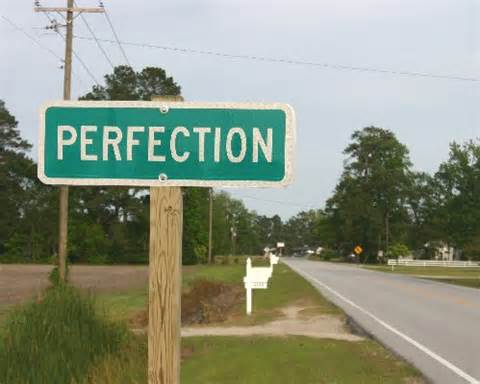
I decided that putting the leek starts in the ground, most of them looked dead or dying, was a chance that I was willing to make. The onion starts look good. Last year, our onion crop wasn’t that good and I remember wondering why home gardeners don’t often get those vegetables that we all see in the supermarket: those red, oval tomatoes, all sized and shapely, taking their place on the well prepared produce stands or that green, full-leafed lettuce plants in February. Gardeners, at least of my ilk, live in a different world; they live in a world where food often looks like well, food and not products.

With the ongoing and growing movement with regard to food culture, many people are more and more aware of the processes that are necessary to get food to the market. The process is in fact amazing! The process, however, gives us a false sense of what food is. It is not a commodity, the consequence of a closed and well-oiled system. Rather, food is a product of the rather imperfect world in which we live. Food is a product of the soil, of water, and of time and effort and more often than not, chance.

I try to remember this as a put down the small starter potatoes, just poking out their first shoots. I remember my last crop of potatoes. They seemed small and pathetic, at least until I took a bit of them. A little salt water, heat and time and such a potato is truly a work of art. Like art, producing food relies upon a bit of imagination and a lot of elbow grease. The result, whether on canvas or in the ground, is often not what we started out thinking it would be. However, the results, somehow, are always satisfying.

My leeks are doing well as are the onion starts. My tomato seedlings have little blossoms on them as they stare up out of the hothouse. I don’t know what will come of these as the season progresses, but I know the results will not be perfect.

Nature’s process is not perfect, but nature is perfect in its imperfection. While nature is not an artist, nor does it “produce” food, it is a process that we must and always will, rely upon. Nature is a verb, perhaps, but a verb that changes meaning over time; it never sits still awaiting definition. Nature offers a bit of insight into something that we must accept: the idea of perfect imperfection. But if my memory serves me right, imperfection can taste perfectly good!

Profit and Progress

progress

For people who grow their own food, this time of year is a mix of stress and excitement. Seedlings are coming up, but in many parts of the country, it’s too early to put them out. The bees are beginning to get busy, but sometimes they swarm. The worries of a warm summer are coveted because of the unrelenting rain and cool spells that inevitably come. Animals birth, and some die. Farmers start ramping up the season, but have to wait for the always elusive “goldilocks” weather. This mix and match dichotomy is not limited to seasons.

Most of us live in societies where money is the method behind the madness, but want to trust our food while not paying unreal prices for it. For those brave souls who decide to give us what we want, they must try to do the right thing while figuring out the right thing to do in order to keep doing what they love. There must be a pay-off but the cost of that pay-off needs to be taken into consideration as well. Do you sell your soul out of necessity, or is it necessary to keep your principles in order to progress?

From farming come these philosophical conundrums. Gardening is not different. Running a business is, well… no different. Many of us begin the long road of life considering profit as progress. Some of us realize that profit in fact stands in the way of progress. But, these are not solutions; they are challenges that each of us seem to face no matter what we do. I have a dream, yes, but that dream and the reality that it creates are often not one in the same. Profit and progress come in many forms.

A few principles might help. First, be honest; not only with everyone around you, but perhaps most importantly with yourself. Second, know the hill that you will “die on”. There comes a time when profit is no longer a measure of progress, but a detriment to development. The change from one to the other is often slight and barely perceptible. Third, know why you do what you do. We often ask strangers “What do you do?” Perhaps we should start asking: “Why do you do what you do?” A more pertinent question if we are to profit from our progress.

Listen!

bee

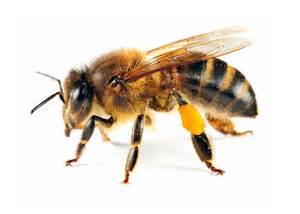
I lost a beehive last year. It was a devastating experience. Everything seemed right; it was a strong hive, but alas the hive failed. I take responsibility. However, this is not about the past except that we must learn from it. The past is, in fact, useless unless we do just that.  But what do I need to learn?

And so this coming Saturday I will start the process over with the experience and education that I wracked up last year. This Saturday I am starting over with two hives. To say that I am nervous is actually not accurate; I am not nervous, but hesitant. I don’t want to fail because failure in beekeeping means that lots of life is wasted.

I am starting with two hives because I am told that it is insurance, that two hives gives the keeper a way to compare; two hives will help educate me. I only hope that my education does not cost the bees their lives. I will do my best, but I know that the bees will do their best. They don’t have a choice, but I do.

The choices we make define who we are, failures and successes. The choices we make define who we will be, and who we have become. I believe that the death of last year’s hive defined who I am today, and inevitably the hives that come on Saturday will define who I will become.

Last week progress was on my mind, and progress can be defined in many ways; some bad, some actually, well…progressive. To fail and to step back up to the plate says a lot about a person. I must remember that bees do not fail in the sense that I do. They simply act; it is us that determine pathways and judge failure against success.

The simplicity of the beehive is amazing; the complications that we create are just as remarkable. In studying all winter long, with the readings and online research I need to remember that complication is not necessarily progress. Progress is simple: the recognition of the shortest, most realistic path to the goal.

Bees do not need much, and they ask nothing of the individuals who decide to “keep” bees. It is in fact not necessary to “keep” bees at all. This year I will endeavor to stay out of my own way and more importantly, to stay out the bees’ way. This year I will progress by not necessarily acting upon the bees, but learning how to act with the bees.

This sounds so simple, but simplicity, I have found, is not so simple.   I can only hope that the “girls” are able to teach me to step back, give them room and not worry so much. It’s quite the advice from such a simple creature. If only more of us could listen.