buddhist

Fear, Power, Clarity, and Old Age

fear_clarity_power_oldage_blog

Many, many moons ago I read a series of books by Carlos Castaneda. The books were not that good, although this is something that realized only long after I had read them. But, like many things I’ve learned since then, we can learn things from the most surprising of places. Castaneda’s books presented an idea of life that I have not since forgotten.

In a discussion with a wise, old Indian, Castaneda finds that we have four enemies in life: fear, power, clarity, and old age. I have since thought much about these enemies. Now that life has presented me with yet another challenge, they come to mind again. The story is similar to many of the stories we learn to not disregard so quickly.

The first enemy, fear, is the easiest enemy to understand, and when we understand fear, we have in fact defeated it. The problem with these enemies is that they never tire in their attacks. When we have defeated fear, then comes power. Power is often thought of as enlightenment but it is trickster. Power is not enlightenment, but blind capability. We must defeat power by understanding that it is an illusion. But power, like fear, never tires in its attack.

Clarity, or enlightenment, is the prize in overcoming the illusion of power. But enlightenment, like the other enemies, is a precarious path that we must take care when we follow it. Arrogance (power) is often the result of careless enlightenment. Dogma is the result when we cease to ask questions. When we cease to ask questions fear begins its work. When we come to realize that we have completed the circle, only to begin again, we are often too old to correct mistakes; we can never defeat old age.

And so it is with a particular endeavor that I now spend time fearing, overcoming, understanding, and again fearing. It seems that the only thing left is to grow old, but I need to grow old at least trying, even if failure is the only option. I have a dream that I fear because I know that I have the power to achieve it because I am aware of the work required. I am only left with the time to do it, and that is running shorter every minute of the day.

Carpe Diem
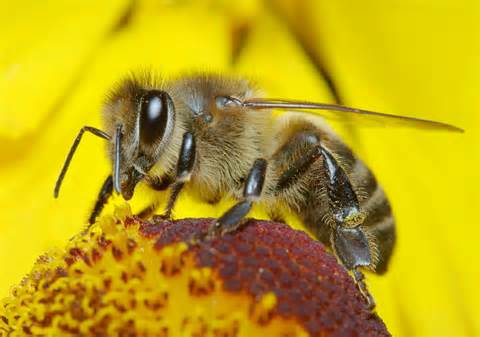
Buddhist Bees

Image

I worry about bees these days. I know that I don’t need to, but I do. I enjoy watching them move about the Nanking Cherry bush; I enjoy listening to them and trying to pick the Italians from the Carniolans. The day that I am doing this is sunny and the clouds are lingering. The bees are busy doing bee things and I am busy brewing beer and…worrying about tomorrow. That’s how we humans are: we worry about things that we have no control over. The bees cannot worry about tomorrow and I wonder if they would even if they could.


You see I am told that the next day will bring snow, a cold snap that is normal for this time of year in Colorado. I also know that temperatures below app. Fifty degrees become problematic for bees. They cannot move, forage, and must huddle together in their hive keeping their brood and each other warm. The difference, I realize, is that I am busy worrying about the future and the bees are busy doing what needs to be done at this very moment. There is a religious irony here somewhere. The Buddhist religion’s basic claim is that there is no other reality than the present. The bees act like Buddhists while we think about Buddhism.


While I’m watching the bees I hear my wort (unfermented beer) begin to boil over: a watched pot will never boil, but one that is forgotten, well that’s another story. I am not minding my own business while the bees mind theirs. I am worried about the bee’s future while the bees are busy with their present business. Somehow none of it makes sense, but that is Buddhism, and the bees being the Buddhists that they are, are not aware. I am aware and run back to the pot.


There are other ironies involves but the whole business gets complicated. I complicate my life by worrying about the future; the bees simplify theirs by doing what needs to be done in the present. I’ve seen a whole hive dead from starvation which is not a pretty sight, “butts in the air” as beekeepers say, the abdomens of the bees sticking out from the honeycombs as the bees searched for food in the bottoms of the combs. My heart drops and I get a twist in my gut. However, I’m pretty sure that even at death’s door, the dead bees lived in the present.


That’s how all of nature is and I begin to wonder if it is the idea, the concept of the future that separates we humans from nature more than anything else? Nature has no future, in fact the future doesn’t exist, but we create the future and then (what else?) worry about it. There is a philosophical argument here: we are free but the bees are not: driven by genetics the bees act accordingly. But I’m not sure that the payoff is worth it. We are not as free as we believe ourselves to be. Do we choose to worry about the future, or are we preprogrammed to do so? What would you do if you could?


The bees have no such thoughts and they are beautiful because of it. I get my wort under control and wander back to the cherry bush. I look at my empty garden, and the fruit bushes getting ready to bloom, the birdhouse I built still empty, and notice the robins in the juniper bush in the back corner; I see the bucket of water left out for the fox and my eyes glance at the new garlic plants, and I remember that I need to water the seedlings in the workshop. All the while, the bees move methodically from flower to flower, gathering pollen, being a bee.