This time of year is worrisome for beekeepers. The cold is coming on, and we worry about food stores, hive health, and of course the cold. I have had a wasp problem these past few weeks that came after I got the mite problem under control. I was told when I began to consider beekeeping that mites and honey is the top two reasons people quit keeping bees. I can see why those issues are at the forefront.
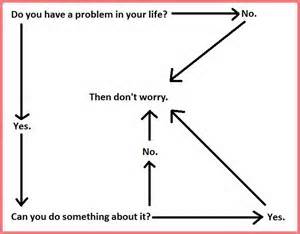
The cold is hard on many of us, not just the bees. And it is not that cold where I live; at least not yet. I look out the window and the sun is shining. I step outside and it is below freezing. I think the bees simply react, but people, people think too much. I know that I do. I lost a lot of sleep worrying about the wasps, and then I think about the cold, the food. The worry continues. However, worry does not work; worry does not help. Worry hinders, is a vicious cycle, and is unfortunately inevitable.
On Wed the weather will warm up and I will check the hive for the last time before I close it up for winter (so I can worry about the food stores). I’ll make sure the wasps don’t have a nest in the hive (so I can wonder if I got all the wasps out if there is a nest). I put a mouse-proofer on the opening of the hive and add some insulation to the top (so I can worry about moisture this winter). I’ll wrap the hive in some black roofing paper (so I can worry less about heat).
I’ll do what I can for the bees that I’ve taken responsibility for, and this is where the worry comes from: I have taken responsibility for something. Any person who has taken, truly accepted, responsibility for something understands the worry that goes along with the responsibility. In the past few years, self-sufficiency has played an integral role in life and along with self-sufficiency comes self-responsibility.
I wonder about those people who did not have the choice of self-responsibility; they had responsibility thrust upon them by the nature of their lives. Such responsibility is a heavy burden, but perhaps (like the bees) such responsibility is not noticed because it is simply the reality of life: it is living.
In today’s society our worries have changed perhaps because our responsibilities have changed. We worry about our job, if the grocery store has what we need, if we have paid our bills and if we can continue to pay our bills, our children, our marriage. These worries are no less important, but they are different. Such responsibility is a heavy burden but after a while we do not seem to notice because it is simply the reality of our life: it is living.
I have learned, even in such a short time, from my bees that I must understand what I need to worry about. But in order to do so, I must understand what I am responsible for. Maybe that lone bee coming back to the hive on a cold day with a load of pollen is not worried because it is doing what it does, doing what it needs to do, doing what a bee does naturally. I think that perhaps what we worry about is not as important as why we worry about the things we do. Perhaps worry is not a waste of time, but a reminder that time is short, the cold is coming and we have (in fact) no time to worry.
 The Armchair Philosopher